Why now
NSPIRE emphasizes clear deficiency attributes and location-specific details. AI can guide inspectors to capture evidence with consistent framing, labels, and context.
NSPIRE + AI Mobile Inspection
This project builds an AI-assisted mobile workflow aligned to HUD’s NSPIRE standards, designed to accelerate inspections while improving accuracy, traceability, and resident safety outcomes.
NSPIRE emphasizes clear deficiency attributes and location-specific details. AI can guide inspectors to capture evidence with consistent framing, labels, and context.
A mobile-first inspection workflow that pairs guided checklists with computer vision prompts, ensuring every deficiency is documented to HUD standards.
Faster inspections, fewer re-visits, and transparent reports that help owners remediate issues quickly while meeting HUD compliance.
Explore detailed inspection procedures for key standards with step-by-step guides, flow diagrams, and real-world examples.
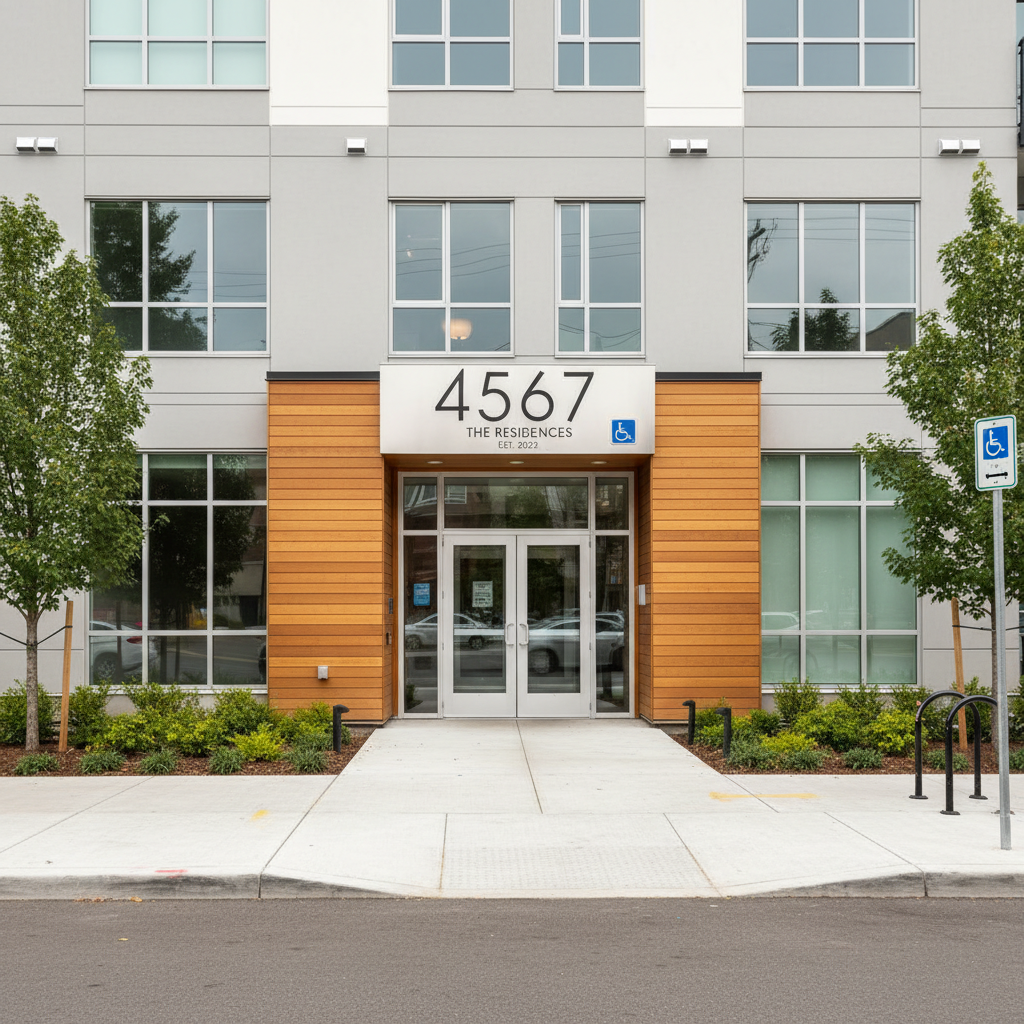
Ensures properties have clearly visible and legible address numbers and signage. Addresses must be readable from the street and properly identify building entrances and units.
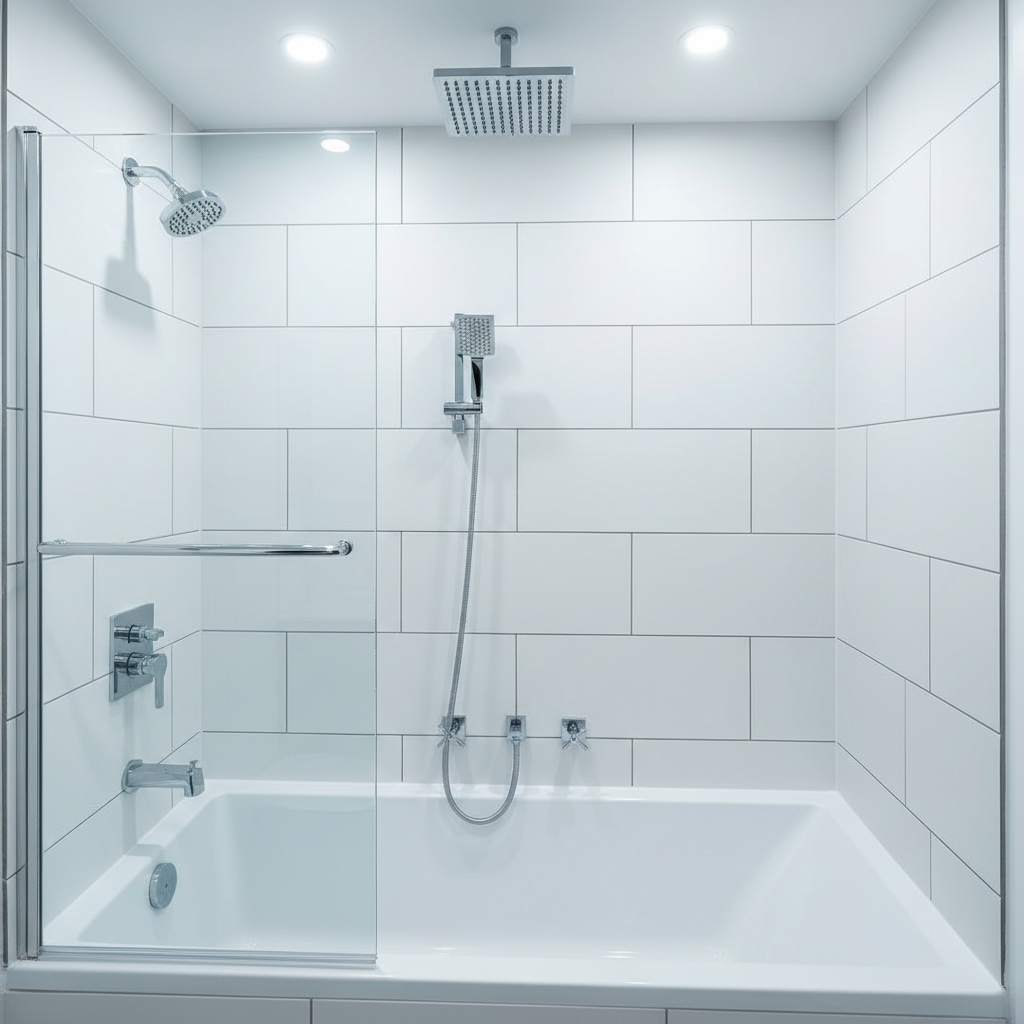
Covers fixtures that dispense clean water for bathing and self-care with proper drainage. Includes inspection of operability, component condition, and privacy requirements for tubs and showers.
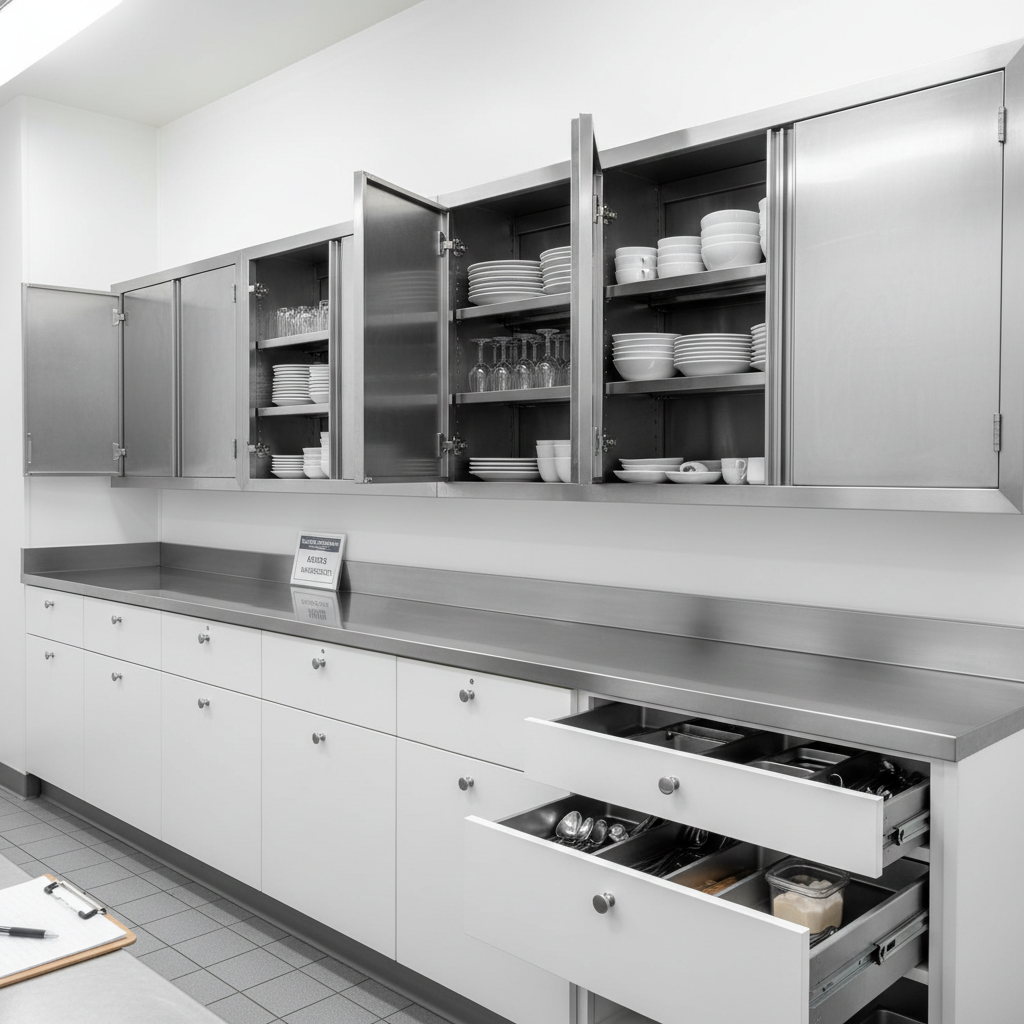
Evaluates the condition and functionality of cabinets, shelving, and storage areas. Ensures doors, drawers, and hardware are operational and properly secured.
Follow the recommended sequence for conducting NSPIRE inspections. Click on each card to learn more about each phase.
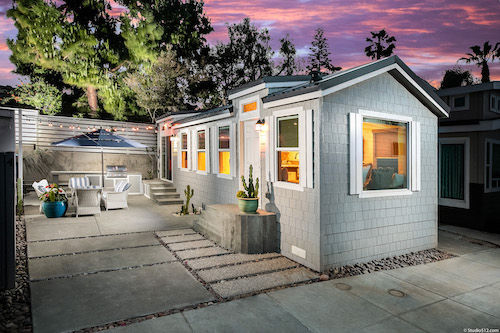
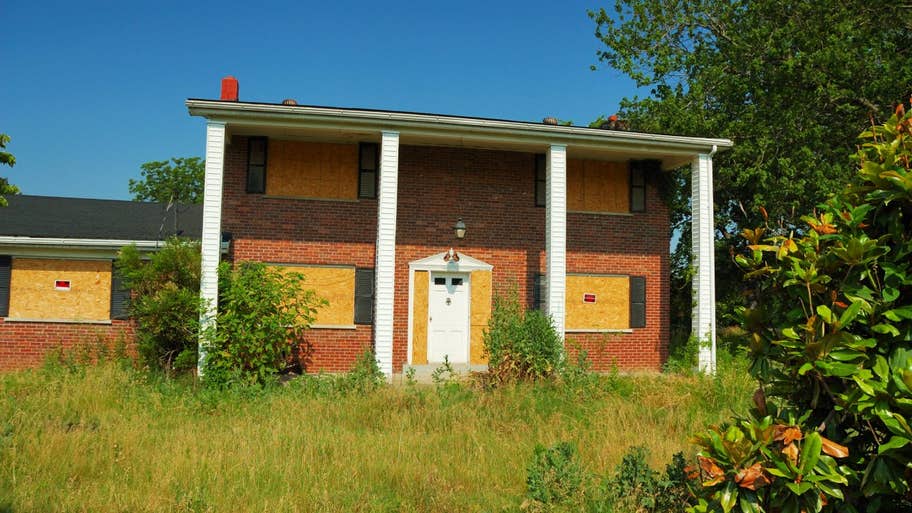
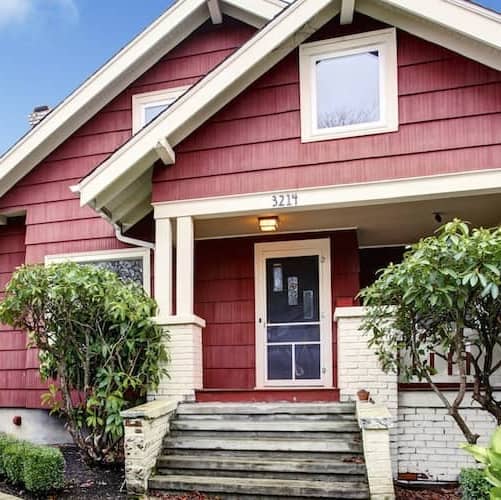
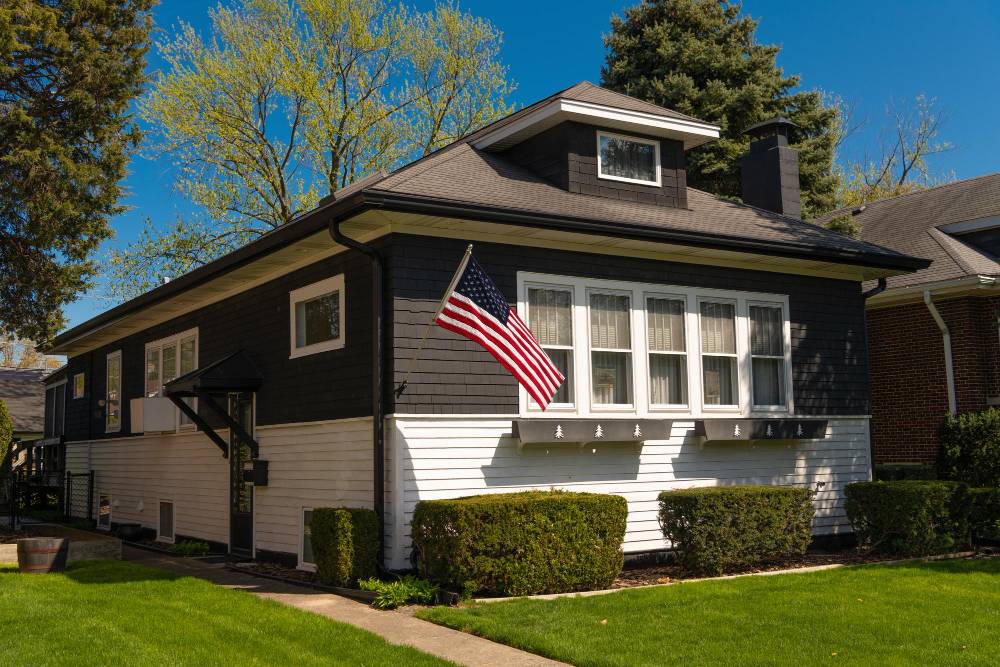
Explore diverse residential properties that undergo NSPIRE inspections, showcasing various housing types, conditions, and architectural styles.

View how scheduling, inspection, reporting, and validation connect.